Showing posts with label getting a home mortgage. Show all posts

Friday, March 5, 2021

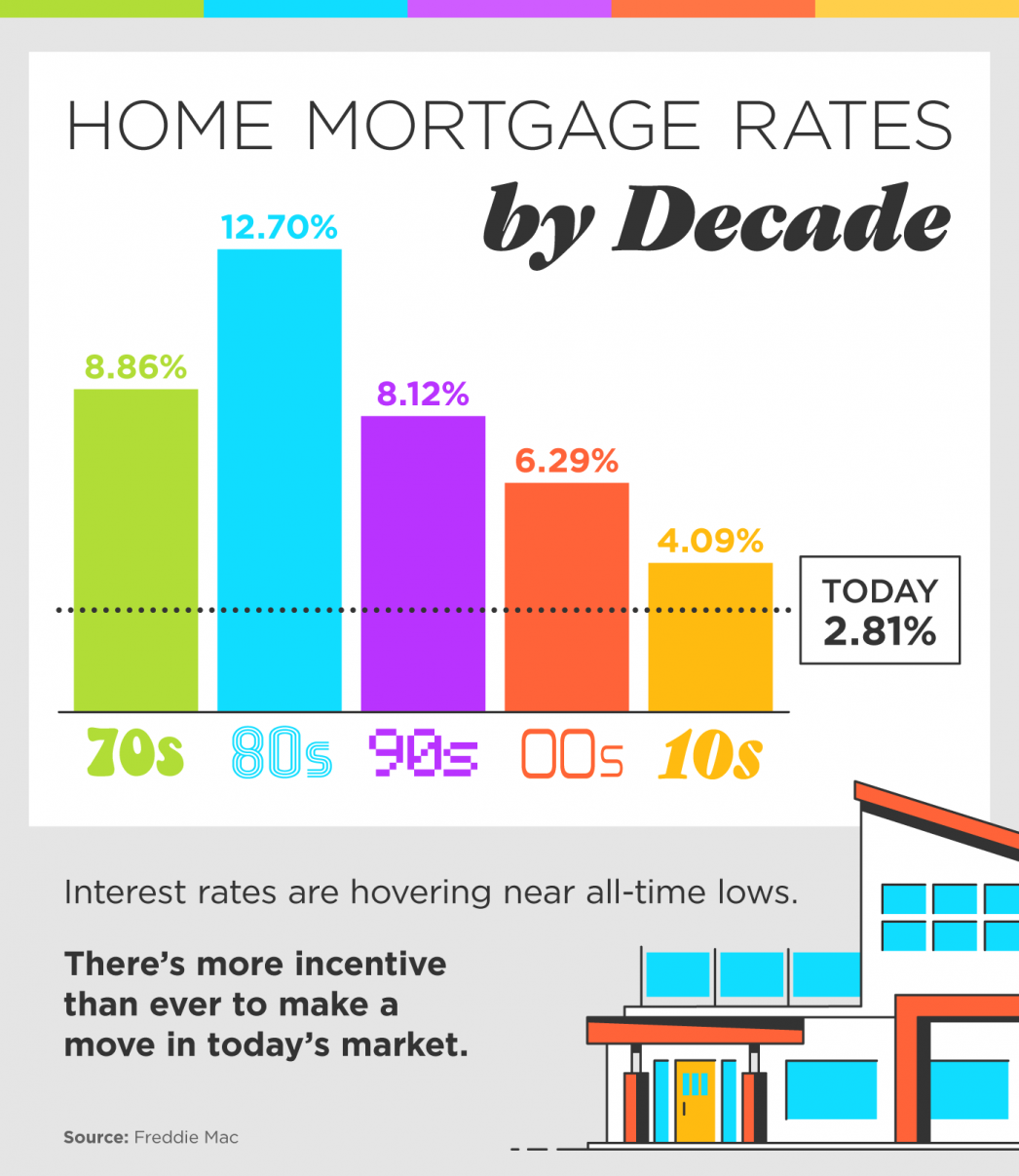
Home Mortgage Rates by Decade


Some Highlights:

Mortgage interest rates have dropped considerably over the past year, and compared to what we’ve seen in recent decades, it’s a great time to buy a home.

Locking in a low rate today could save you thousands of dollars over the lifetime of your home loan, but these low rates may not last forever.

If you’re in a position to buy a home, let’s connect to determine your best move in today’s housing market while interest rates are still in your favor.

Looking to Buy, Sell, or Invest? Contact:

David Demangos - eXp Realty
Cell: 858.232.8410 | Realtor® DRE# 01905183
www.AwesomeSanDiegoRealEstate.com
We Go to Extremes to Fulfill Real Estate Dreams!

San Diego Real Estate Expert | Global Property Specialist
Certified Luxury Marketing Specialist | CLHMS Million Dollar Guild Agent
Green Specialist | Certified International Property Specialist
2016, 2017, 2018,& 2019 Recognition of Excellence Award Winner SDAR

Wednesday, April 11, 2018

Freddie Mac: Rising Mortgage Rates DO NOT Lead to Falling Home Prices

Recently, Freddie Mac published an Insight Report titled Nowhere to go but up? How increasing mortgage rates could affect housing. The report focused on the impact the projected rise in mortgage rates might have on the housing market this year.

Many believe that an increase in mortgage rates will cause a slowdown in purchases which would, in turn, lead to a fall in house values. Ultimately, however, prices are determined by supply and demand and while rising mortgage rates may slow demand, they also affect supply. From the report:

“For current homeowners, the decision to buy a new home is typically linked to their decision to sell their current home… Because of this link, the financing costs of the existing mortgage are part of the homeowner’s decision of whether and when to move.

Once financing costs for a new mortgage rise above the rate borrowers are paying for their current mortgage, borrowers would have to give up below-market financing to sell their home.

Instead, they may choose to delay both the sale of their existing home and the purchase of a new home to maintain the advantageous financing.”

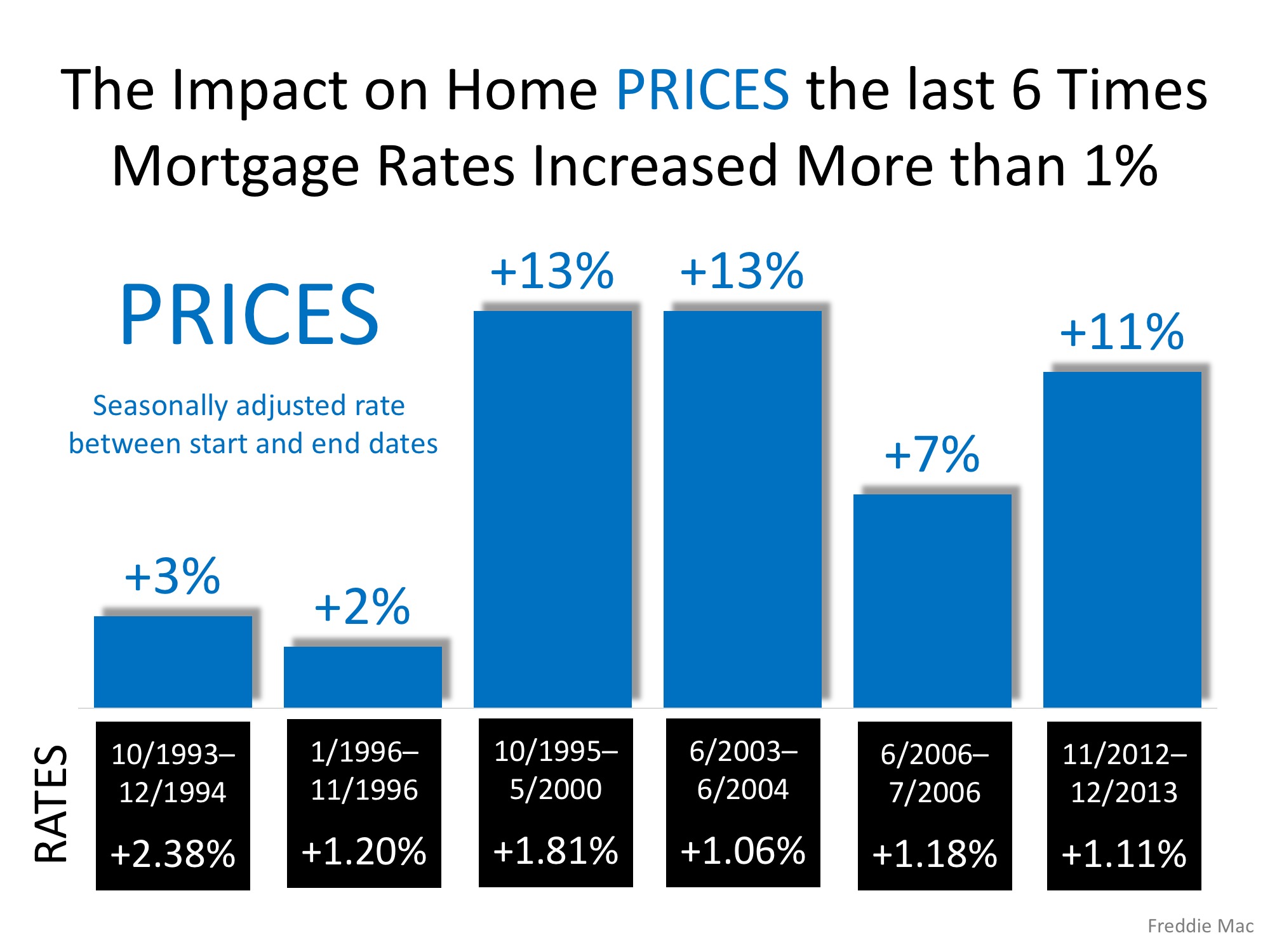
The Freddie Mac report, in acknowledging this situation, concluded that prices are not adversely impacted by higher mortgage rates. They explained:

“While there is a drop in the demand for homes, there is an associated drop in the supply of homes from the link between the selling and buying decisions. As both supply and demand move together in this way they have offsetting effects on price—lower demand decreases price and lower supply increases price.

They went on to reveal that the Freddie Mac National House Price Index is…

“…unresponsive to movements in interest rates. In the current housing market, the driving force behind the increase in prices is a low supply of both new and existing homes combined with historically low rates. As mortgage rates increase, the demand for home purchases will likely remain strong relative to the constrained supply and continue to put upward pressure on home prices.”

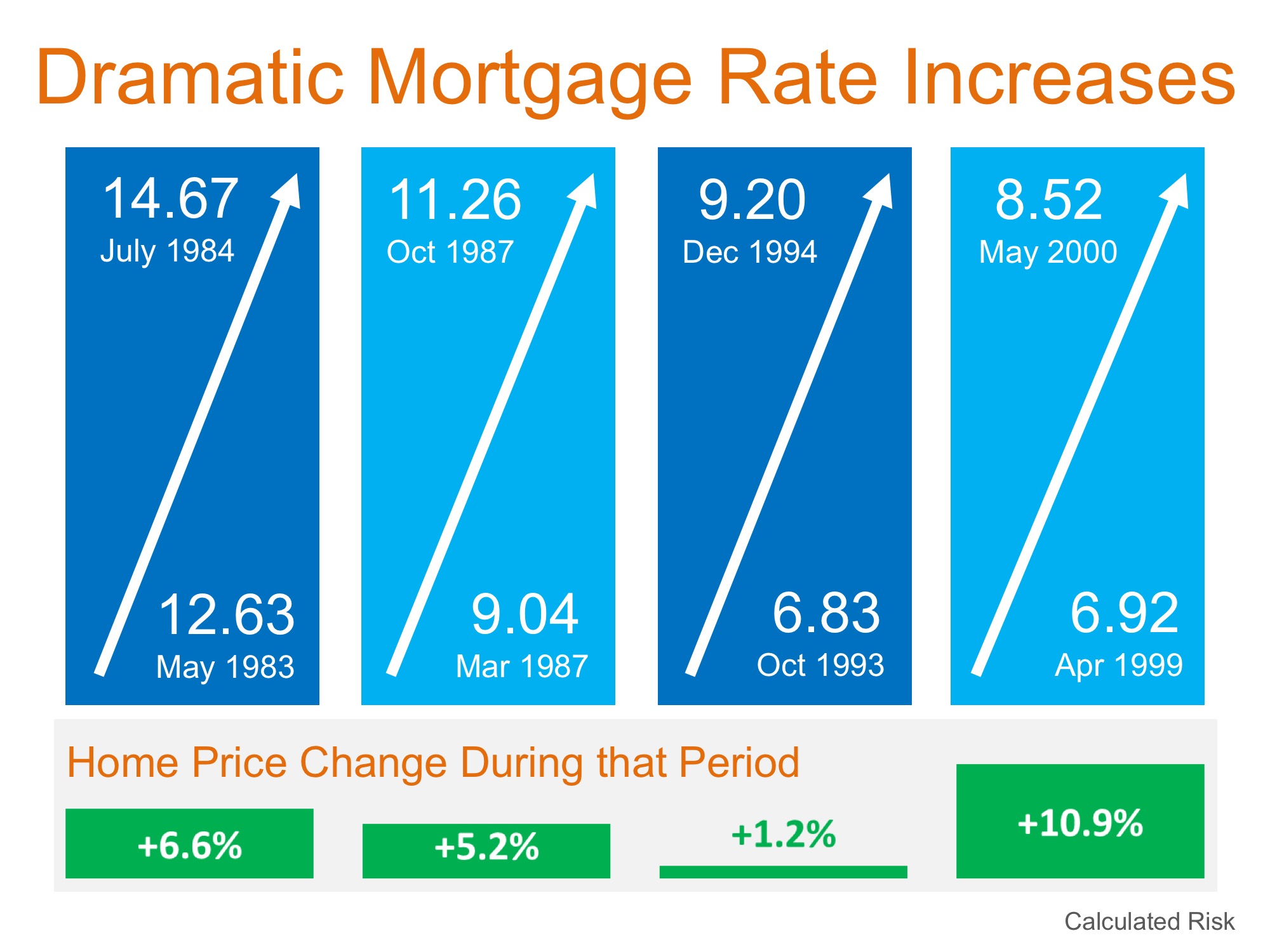
The following graph, based on data from the report, reveals what happened to home prices the last six times mortgage rates rose by at least 1%.


Bottom Line

Whether you are a move-up buyer or first-time buyer, waiting to purchase your next home based on the belief that prices will fall because of rising mortgage rates makes no sense.

Looking to Buy, Sell, or Invest? Contact:

David Demangos - Keller Williams Realty
Cell: 858.232.8410 | Realtor® BRE# 01905183
www.AwesomeSanDiegoRealEstate.com
Our Team Goes to Extremes to Fulfill Your Real Estate Dreams!

San Diego Real Estate Expert | Global Property Specialist
Certified Luxury Marketing Specialist | CLHMS Million Dollar Guild Agent
Green Specialist | Certified International Property Specialist
2016 & 2017 Recognition of Excellence Award Winner SDAR

Wednesday, April 19, 2017

Home Mortgages: Rates Up, Requirements Easing

The media has extensively covered the rise in mortgage interest rates since last fall (from 3.42% last September to the current 4.1% according to Freddie Mac). However, a less covered aspect of the mortgage market is that requirements to get a mortgage have eased while rates have risen.

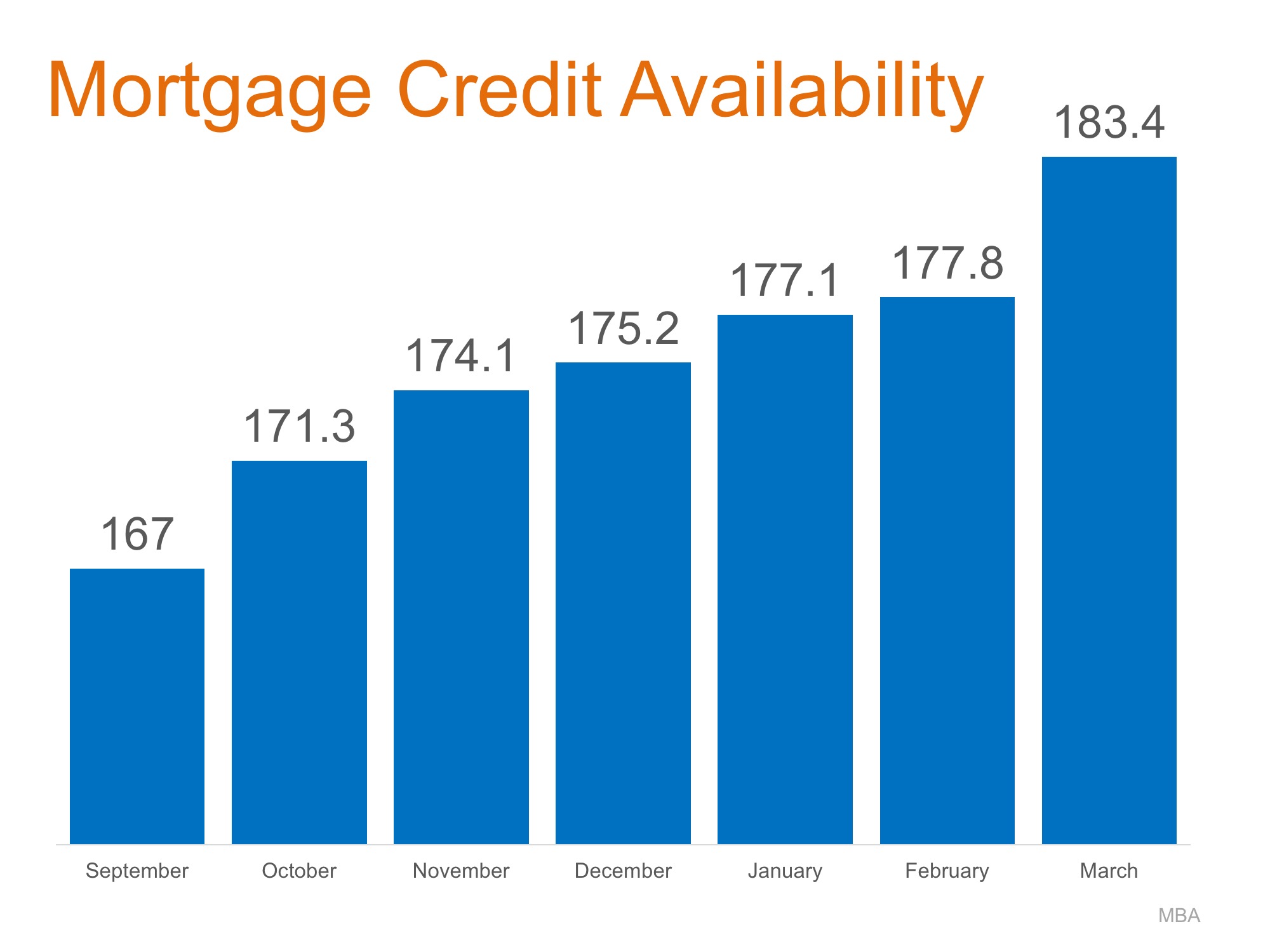
The Mortgage Bankers Association (MBA) quantifies the availability of mortgage credit each month with their Mortgage Credit Availability Index (MCAI). According to the MBA, the MCAI is:

“A summary measure which indicates the availability of mortgage credit at a point in time.”

The higher the index, the easier it is to get a mortgage. Here is a chart showing the MCAI over the last several months as rates have increased.


Have requirements for attaining a mortgage actually eased?

Yes. Here are two examples:
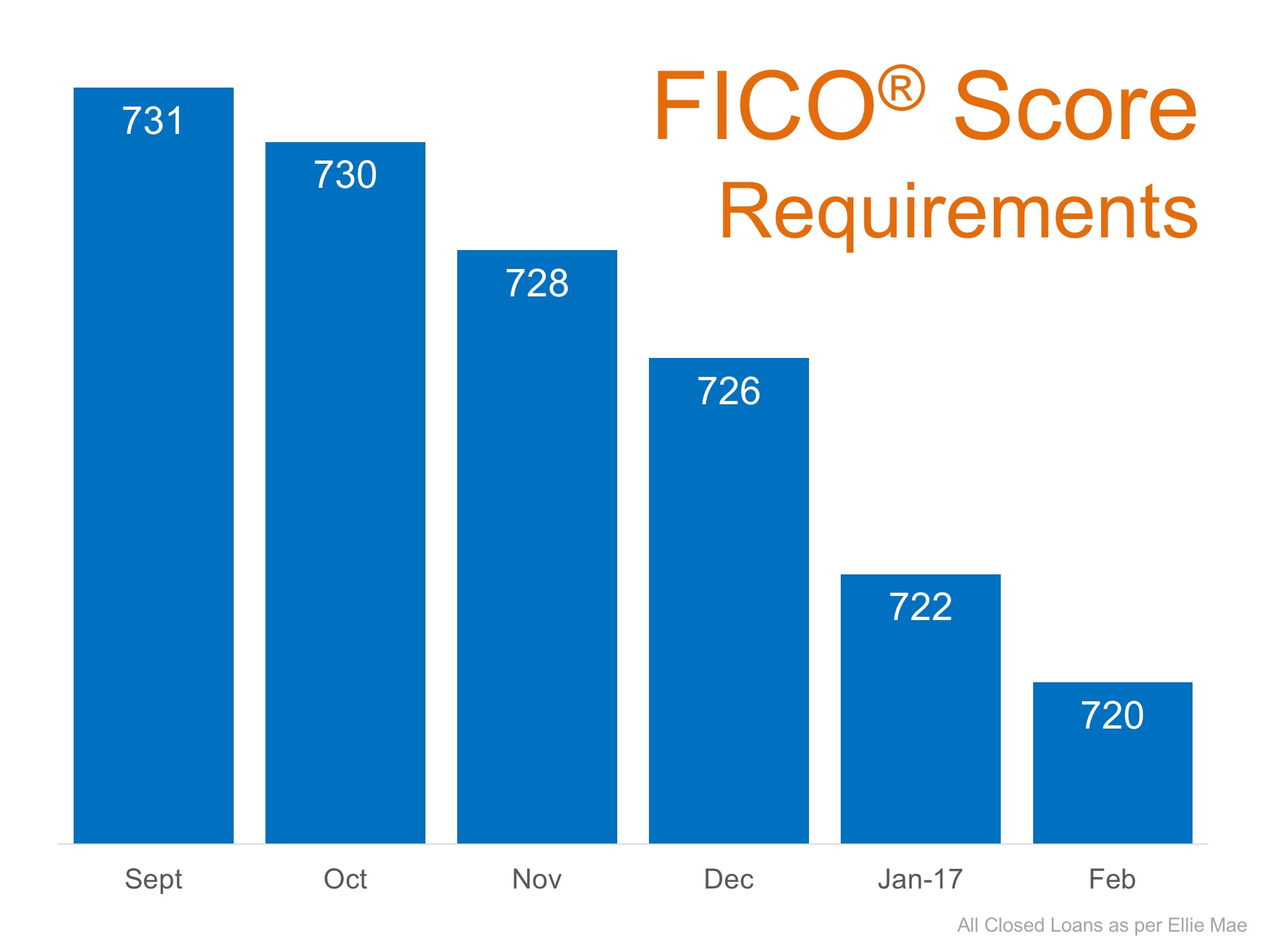
FICO® Score – the credit score which helps determine a buyer’s eligibility. The score required to attain a mortgage has been falling over the last five months:


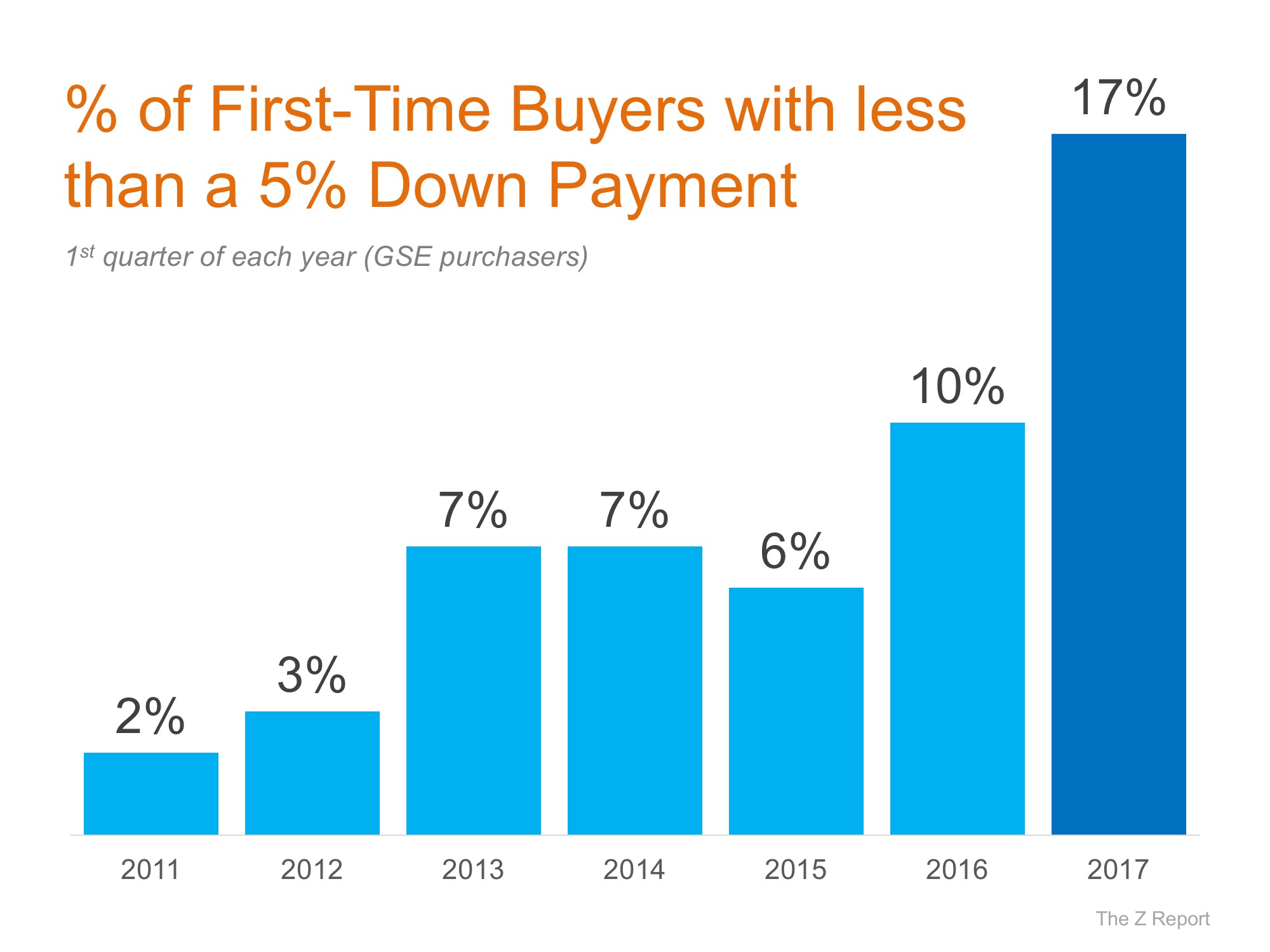
Down Payment Requirement – the percentage of the purchase price necessary to place as a down payment on a home. To make this point, let’s look at the percentage of first-time buyers who have put less than 5% down over the last several years as compared to the 1st quarter of 2017:


Bottom Line

Whether you are a current homeowner looking to move to a home that will better serve your family’s current needs, or a first-time buyer looking for a starter home, it is easier to get a mortgage today than it has been at any other time in the last ten years.
Use the buttons below to share with your Personalized Posts profile...

We believe every family should feel confident when buying and selling a home.

Looking to Buy, Sell, or Invest? Contact:

David Demangos - Keller Williams Realty
Cell: 858.232.8410 | Realtor® BRE# 01905183
www.AwesomeSanDiegoRealEstate.com
Our Team Goes to Extremes to Fulfill Your Real Estate Dreams!

San Diego Real Estate Expert | Global Property Specialist
Certified Luxury Marketing Specialist | CLHMS Million Dollar Guild Agent
Green Specialist | Certified International Property Specialist
2016 Recognition of Excellence Award Winner SDAR

Saturday, December 24, 2016

Will Increasing Mortgage Rates Impact Home Prices?


There are some who are calling for a decrease in home prices should mortgage interest rates begin to rise rapidly. Intuitively, this makes sense as the cost of a home is determined by the price of the home, plus the cost of financing that home. If mortgage interest rates increase, fewer people will be able to buy, and logic says prices will fall if demand decreases.
However, history shows us that this has not been the case the last four times mortgage interest rates dramatically increased.
Here is a graph showing what actually happened:

Will Increasing Mortgage Rates Impact Home Prices? | MyKCM
Last week, in an article titled “Higher Rates Don’t Mean Lower House Prices After All, theWall Street Journal revealed that a recent study by John Burns Real Estate Consulting Inc.found that:
“[P]rices weren’t especially sensitive to rising rates, particularly in the presence of other positive economic factors, such as strong job growth, rising wages and improving consumer confidence.”
Last week’s jobs report was strong and the Conference Board just reported that the Consumer Confidence Index was back to pre-recession levels.

Bottom Line

We will have to wait and see what happens as we move forward, but a decrease in home prices should rates go up is anything but guaranteed.

Looking to Buy, Sell, or Invest? Contact:

David Demangos
Cell: 858.232.8410
www.AwesomeSanDiegoRealEstate.com
David@AwesomeSanDiegoRealEstate.com
Our Team Goes to Extremes to Fulfill Your Real Estate Dreams!

Saturday, December 3, 2016

Is Getting a Home Mortgage Still Too Difficult?


There is no doubt that mortgage credit availability is expanding, meaning it is easier to finance a home today than it was last year. However, the mortgage market is still much tighter than it was prior to the housing boom and bust experienced between 2003 - 2006.
The Housing Financing Policy Center at the Urban Institute just released data revealing two reasons for the current exceptionally high credit standards:
  1. Additional restrictions lenders put on borrowing because of concerns that they will be forced to repurchase failed loans from the government-sponsored enterprises or Federal Housing Administration (FHA).
  2. The concern about potential litigation for imperfect loans.

What has been the result of these concerns?

6.3 Million Less Mortgages

The Policy Center report went on to say:
“It was so hard to get a mortgage in 2015 that lenders failed to make about 1.1 million mortgages that they would have made if reasonable lending standards had been in place. From 2009 to 2014, lenders failed to make about 5.2 million mortgages thanks to overly tight credit. In total, lenders would have issued 6.3 million additional mortgages between 2009 and 2015 if lending standards had been more reasonable.”
In an interview with DSNews, Laurie Goodman and Alanna McCargo of the Policy Center further explained:
“Our Housing Credit Availability Index (HCAI)* measures the probability that mortgage borrowers will become delinquent on that mortgage for 90 or more days, which we refer to as the default risk. This measure indicates that the probability of default rose from 12 percent in 2001 to a peak of 16.5 percent at the end of 2005/beginning of 2006, before declining to the current level of 5 percent. Stated differently, lenders are currently taking less than half the credit risk they were taking in 2001, a period of reasonable credit standards.”

The cost to the economy if we’re writing fewer loans…

Goodman and McCargo put it best:
“…fewer households will become homeowners at exactly the point in the economic cycle when it is most advantageous to do so… [They] will continue to miss this wealth-building opportunity. The median family wealth for homeowners is $195,400, with their home the most valuable asset for most; the median family wealth for renters is $5,400… Fewer potential homebuyers means the housing market will continue to recover more slowly. At the same time, fewer buyers create a strain on other benefits to the economy which homebuying brings such as spending on home goods and an increase in construction jobs.”

Bottom Line

The housing market boom and bust caused many mortgage providers and lenders to tighten their lending standards in an effort not to repeat the recent past. This paired with many homebuyers disqualifying themselves before they even apply for a loan, due to the fear of rejection, has led to many households not yet becoming homeowners.
*The HCAI measures the percentage of home purchase loans that are likely to default—that is, go unpaid for more than 90 days past their due date. A lower HCAI indicates that lenders are unwilling to tolerate defaults and are imposing tighter lending standards, making it harder to get a loan. A higher HCAI indicates that lenders are willing to tolerate defaults and are taking more risks, making it easier to get a loan.

Looking to Buy, Sell, or Invest? Contact:

David Demangos
Cell: 858.232.8410
www.AwesomeSanDiegoRealEstate.com
David@AwesomeSanDiegoRealEstate.com
Our Team Goes to Extremes to Fulfill Your Real Estate Dreams!